Picture this: It’s 3 PM. An urgent cross-departmental briefing has been called, but the only meeting room left is three floors up, far from any power socket. Your current laptop’s battery icon is hovering at a concerning 15%, a silent countdown to professional embarrassment. You’re forced to choose: scramble for an outlet and be late, or present with the looming threat of a sudden black screen.
This is the modern workplace’s unspoken dilemma—plug-in anxiety. As global electronics prices surge and manufacturers adjust their strategies, finding a reliable, enduring workhorse has become both crucial and challenging. For professionals, students, and mobile creators, the true measure of a laptop isn’t just its peak performance under ideal conditions, but its sustained productivity when you’re furthest from a power source.
By the end of this deep dive, you’ll have a clear understanding of whether the Dell Latitude 5400 or its 5500 sibling is the key to unlocking genuine mobile freedom. You’ll learn not just about their specifications, but how their integrated intelligent power management and robust design address the core tension between performance and portability in today’s market.
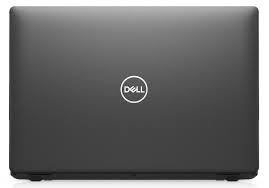
Section 1: The Anatomy of a Modern Workhorse
Core Hardware: Engineered for Efficiency
At the heart of the Latitude 5400 and 5500 lies the strategic choice of Intel’s 8th generation processors. While not the latest, these CPUs offer a compelling balance of proven performance and superior power efficiency. This generation is a cornerstone for reliable, all-day computing, adeptly handling multitasking across dozens of browser tabs, complex spreadsheets, and video conferencing without unnecessary power drain. The true differentiator for the user is often between the 14-inch (5400) and 15.6-inch (5500) form factors. Beyond screen size, this choice subtly impacts everything from keyboard feel to overall portability. Both models support a range of memory (RAM) and storage (SSD) configurations, allowing you to tailor the machine to your workflow, ensuring smooth operation without bottlenecking your core applications.
Graphics, Display & The Visual Experience
These Latitudes are built for the boardroom, not the gaming arena. They typically utilize integrated Intel UHD Graphics, which is more than capable of driving the crisp displays for productivity tasks and supporting multiple external monitors. The focus here is on clarity and usability. The 5400’s 14-inch and 5500’s 15.6-inch screens often come with Full HD (1920×1080) resolution, providing ample screen real estate for detailed work. While high refresh rates and wide color gamuts aren’t the primary focus, the anti-glare options available are a godsend for open-plan offices or working near windows, reducing eye strain during long sessions—a critical component of all-day computing comfort.
The Liberation of Portability and Endurance
This is where the Latitude philosophy truly shines. The mobile computing experience is defined by a laptop’s ability to disappear into your workflow. The Latitude 5400, with its more compact chassis, offers a slight edge in easy transport, while the 5500 provides a larger canvas and often a full numeric keypad. Their real prowess, however, is under the hood. The laptops were designed with multiple battery options, including high-capacity units that set the stage for extended use. The hardware is just one part of the story. It is the sophisticated synergy with Dell’s software ecosystem that transforms extended battery life from a hope into a predictable reality, aligning perfectly with the growing demand for sustainable mobile computing solutions.
System Intelligence and The Seamless Experience
The Latitudes run a clean, professional-grade Windows experience, but their secret weapon is the Dell Optimizer software suite. This isn’t just bloatware; it’s an AI-assisted performance engine. It learns your work patterns. Do you often have video calls between 10 AM and noon? The system can proactively allocate resources to your conferencing apps for a smoother experience while intelligently conserving energy elsewhere. Features like ExpressCharge can replenish a significant portion of the battery in under an hour, turning a short coffee break into a meaningful power boost. This represents a shift from hardware that you manage to a system that actively partners with you for greater workplace efficiency.
Design, Build and Lasting Impressions
Dell’s Latitude series is synonymous with business-grade durability. The chassis feels robust and secure, designed to withstand the rigors of daily commutes and life in a backpack. The keyboards are tactile and quiet, encouraging long typing sessions, and the port selection—including USB-A, HDMI, and optional smart card readers—ensures connectivity in any office environment without a nest of dongles. This thoughtful, no-nonsense design prioritizes function and longevity, a stark contrast to more disposable consumer electronics. It’s a tool engineered for the long haul, contributing to a durable business laptop ecosystem.
Section 2: The Measured Verdict – Performance Benchmarked
Putting the Latitude 5400/5500 through its paces reveals its targeted strengths.
Core Computational Power: In benchmark suites like Cinebench or Geekbench, the 8th Gen Intel Core i5/i7 processors deliver solid single and multi-core scores that readily outpace older generations. Under sustained load, the system manages its Thermal Design Power (TDP) effectively. With the aid of Dell Optimizer’s thermal management profiles, CPU temperatures during heavy processing (like data compilation or complex calculations) typically remain well under 85°C, avoiding performance throttling. Memory performance is stable, supporting efficient multitasking without significant latency penalties.
Graphics and Creative Workloads: As expected, the integrated GPU scores modestly in synthetic graphics tests like 3DMark. It’s not built for rendering 4K video or playing AAA games (where average frame rates would be low). However, for its intended purpose—accelerating office applications, streaming 4K video, and driving presentations—it performs flawlessly and with minimal power consumption.
Storage Speed and Responsiveness: Equipped with NVMe SSDs (even in older configurations), these Latitudes excel in storage tests. Sequential read/write speeds dramatically outclass traditional hard drives, leading to near-instantaneous system wake times, fast application launches, and quick file transfers. The random read/write performance, crucial for everyday OS responsiveness, is equally impressive, making the entire computing experience feel snappy.
Thermal Stability and Real-World Use: The true test is a combined CPU and GPU stress test (“dual烤”). Here, the business-class cooling shows its worth. While fans become audible under extreme load, they manage to keep both components within safe operating limits (typically below 90°C), preventing drastic performance drops. In everyday use—browsing, document editing, video calls—the system remains whisper-quiet. Dell’s intelligent algorithms help smooth out performance bursts, ensuring a consistent experience without wild swings in fan noise or temperature.
The Right Tool for the Disciplined Professional
The Dell Latitude 5400 and 5500 are not flashy, bleeding-edge machines. They are something more valuable in 2026’s climate of rising costs and focused productivity: exceptionally reliable partners. They deliver a holistic experience where thoughtful hardware design is amplified by intelligent software to create a genuinely mobile and dependable workstation.
Who is this for?
- The Road Warrior: Consultants, salespeople, and field staff who need a full-day’s charge and professional reliability on the go.
- The Office Anchor: Employees who value a robust keyboard, stable performance for multitasking, and the flexibility to work anywhere in the building.
- The Value-Conscious Professional: Anyone seeking proven, business-grade durability and intelligent power management without paying a premium for the very latest (and often power-hungry) silicon.
In a market increasingly segmented between disposable consumer gadgets and over-powered luxury devices, the Latitude 5400/5500 series stands out for its mature, focused competence. It directly addresses plug-in anxiety by combining substantial battery options with software that makes every watt count. For those whose priority is sustained productivity in a trustworthy package, these Latitudes offer a compelling and smart solution. It’s a reminder that sometimes, the most powerful feature is the freedom to simply work, uninterrupted.