OnePlus is once again putting pressure on the Android competition, with its Android 17 update beginning to make its way towards older flagship phones. For owners who were expecting to be pushed towards a newer handset simply to get the latest software, the rollout is a welcome change.
The timing is particularly interesting in the UK. With the cost of living still influencing how much people are willing to spend on consumer electronics, keeping an existing phone for another year is becoming increasingly attractive. Instead of paying hundreds of pounds for a new flagship, a major OnePlus software update can make an older device feel surprisingly fresh.
For OnePlus users, Android 17 is therefore more than another version number. It could be a useful reminder that hardware does not necessarily become obsolete when a new model arrives.
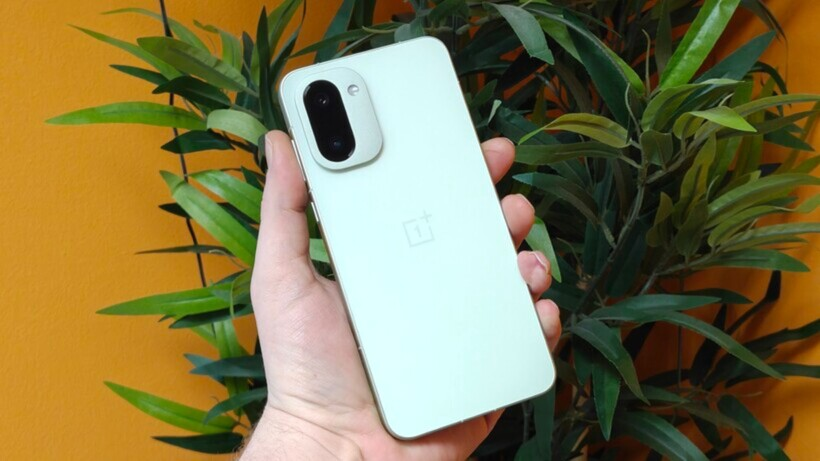
Which OnePlus phones are getting Android 17?
The Android 17 rollout for OnePlus is expected to focus initially on relatively recent flagship and high-end devices, with availability depending on the model, market and carrier. OnePlus has developed a reputation for delivering major Android updates relatively quickly, although rollout schedules can vary considerably between regions.
Owners of devices such as the OnePlus 13 series will naturally be among those most interested in the update, while older flagship models may receive it later. This staged approach is common with major Android releases, as manufacturers need to test firmware across different hardware configurations.
For UK users, that means seeing the update on one OnePlus handset does not necessarily mean it will immediately appear on another. OxygenOS builds can arrive in waves, so patience may be required.
Still, the prospect of Android 17 on older OnePlus phones is significant. It gives ageing flagship hardware a second life at precisely the moment when smartphone prices remain difficult to ignore.
Why Android 17 matters for older hardware
The biggest advantage of a major Android update is not always a dramatic visual redesign. It is the combination of security, performance improvements, privacy controls and smarter background management that can make a phone more pleasant to use.
For an older OnePlus flagship, this could extend the useful life of the device considerably.
Modern smartphones are already powerful enough for most everyday tasks. A phone with a high-end Snapdragon processor, fast UFS storage and plenty of RAM does not suddenly become slow because a new generation has arrived. In many cases, the hardware remains more than capable of handling messaging, streaming, photography, gaming and social media.
That makes OnePlus Android 17 support particularly valuable.
Rather than replacing a perfectly capable phone, users can install the latest software and continue using familiar hardware. For consumers trying to reduce unnecessary spending, that is an increasingly compelling proposition.
OnePlus hardware still has plenty going for it
OnePlus’ older flagships have another major advantage: their specifications were designed to compete with the best phones available when they launched.
Take the OnePlus 13 as an example. Its Snapdragon 8 Elite processor, high-refresh-rate AMOLED display, large battery and fast charging system give it the kind of hardware that can remain competitive for years.
The large display is particularly useful for video, gaming and multitasking, while the high refresh rate makes scrolling through websites and social feeds feel considerably smoother than on budget devices.
OnePlus has also traditionally placed considerable emphasis on charging speeds. Its fast-charging smartphones remain attractive to users who do not want to spend a long time connected to a charger.
That combination makes an older OnePlus flagship quite different from an inexpensive entry-level Android phone. Even after a new generation appears, the underlying hardware can still be premium.
The battery question is becoming more important
There is, however, one area where software cannot completely solve an ageing phone’s problems: battery health.
A handset that has been used for two or three years may have lost some of its original battery capacity. Android 17 can improve efficiency, but it cannot physically restore a worn battery.
This is why the update could create an interesting situation for the OnePlus battery life experience. A user may find that their phone performs perfectly well after updating, yet the battery no longer lasts as long as it did when the device was new.
For many UK consumers, replacing the battery could therefore make more sense than replacing the entire smartphone.
The calculation is simple. If the screen, processor, cameras and storage remain perfectly adequate, spending money on a new battery may be considerably cheaper than buying a £700-plus flagship.
Android 17 could make older OnePlus phones feel new again
Software can have a surprisingly powerful psychological effect.
A phone that has looked and behaved the same way for years can feel different after a substantial operating system upgrade. New privacy settings, interface refinements, notification improvements and system-level features can change the daily experience without requiring new hardware.
This is where OxygenOS and Android 17 become particularly important.
OnePlus’ OxygenOS interface has generally aimed to balance customisation with a relatively clean Android experience. Users who enjoy changing icons, animations, quick settings and other elements can make the interface their own, while those who prefer simplicity can largely leave the system alone.
The downside is that major software updates can occasionally introduce bugs or compatibility problems. Some users may also prefer the behaviour of an older version of OxygenOS. Early adopters should therefore keep an eye on reports from other OnePlus owners before immediately installing a major update on a work-critical device.
The biggest advantage: avoiding an unnecessary upgrade
The UK smartphone market has matured. A decade ago, each annual flagship generation could deliver obvious improvements in speed, cameras and design. Today, the differences between two generations can be much harder to notice in everyday use.
A three-year-old flagship can still take excellent photos, run demanding apps and provide a superb display.
That makes keeping an old OnePlus phone a surprisingly sensible strategy.
Instead of upgrading simply because a new model has arrived, users can ask a more practical question: does my current phone actually fail to do something I need?
If the answer is no, Android 17 could provide another reason to keep it.
There are still reasons to consider a new OnePlus
Of course, software support does not eliminate every reason to upgrade.
Newer OnePlus models can offer improved camera systems, more efficient processors, brighter displays and better battery technology. Computational photography continues to evolve, while newer chipsets can provide better gaming performance and improved AI capabilities.
A newer phone may also have a healthier battery straight out of the box.
For enthusiasts who want the latest camera technology or maximum performance, upgrading to a new OnePlus flagship will remain tempting.
But for everyone else, the differences may not justify the cost.
A positive sign for Android’s long-term future
The wider significance of the OnePlus Android 17 update goes beyond OnePlus itself.
Longer software support is becoming one of the most important features consumers consider when buying a smartphone. People increasingly want devices that can last several years rather than products designed around an annual upgrade cycle.
That is good news for consumers and potentially good news for the environment too. Keeping a phone for longer means fewer devices need to be manufactured, transported and eventually discarded.
As UK shoppers become more conscious of value, long-term Android updates could become almost as important as camera megapixels or charging speeds.
Should you install Android 17 on an older OnePlus?
For most users, the answer should be yes — once the update is officially available for their specific model and region.
A supported older flagship with modern hardware can still be an extremely capable smartphone. Android 17 may improve the overall experience, extend the device’s useful lifespan and delay the need for an expensive replacement.
The key is to manage expectations. An operating system update can modernise software, improve security and introduce new features, but it cannot transform an ageing battery or suddenly give an older camera the capabilities of a new sensor.
For OnePlus owners in the UK, however, that may be exactly the point. If your phone still does everything you need, Android 17 could be the upgrade that saves you from upgrading.
And in today’s smartphone market, that might be one of the most useful upgrades of all.
Buy oppo Smartphone Battery online on Batteriesglobal.co.uk United Kingdom | Large selection of oppo Batteries | Enjoy best prices | Order now!